
Resources · October 28, 2026
What's play got to do with it?
When did you last do something just for fun? Why play matters for adults, why we stop, and a quick quiz to find your play style. Mine involves mountains.
Let’s talk about play. For you. An adult. This is an often forgotten or overlooked aspect of health that influences nearly every pillar of wellness: physical, mental, emotional, spiritual.
Play is simple as a child. You don’t think about it or agonize over it, you just do it. Somewhere along the path from adolescence to adulthood, play becomes complicated. Our responsibilities grow and we think that we don’t have time for it, or that it is pointless, or else we forget about it entirely. We may not even remember what it is. Something that should be undefinable suddenly needs to be defined.
So what is play? Why is it important for all humans of all ages? And why don’t we continue to prioritize it as we move through life?
Play is a natural activity that is crucial for our wellbeing. It is engaging in an activity solely for the purpose of enjoyment. It decreases depression and stress, shapes our brain, delivers unencumbered joy, increases creativity, and heightens learning. Play means something different to everyone, and it changes over time as we ourselves change. Jump roping shifts from play to exercise. Playing house shifts to, well, real house. If you think about those shifts (play to exercise and play to real life), that is precisely why we stop prioritizing it. It moves from being front-and-center to being the last thing we think about, because real life can be overwhelming. How do we even have time to think about doing something with no purpose, let alone actually doing it? We don’t even have time to do everything that seemingly has a purpose.
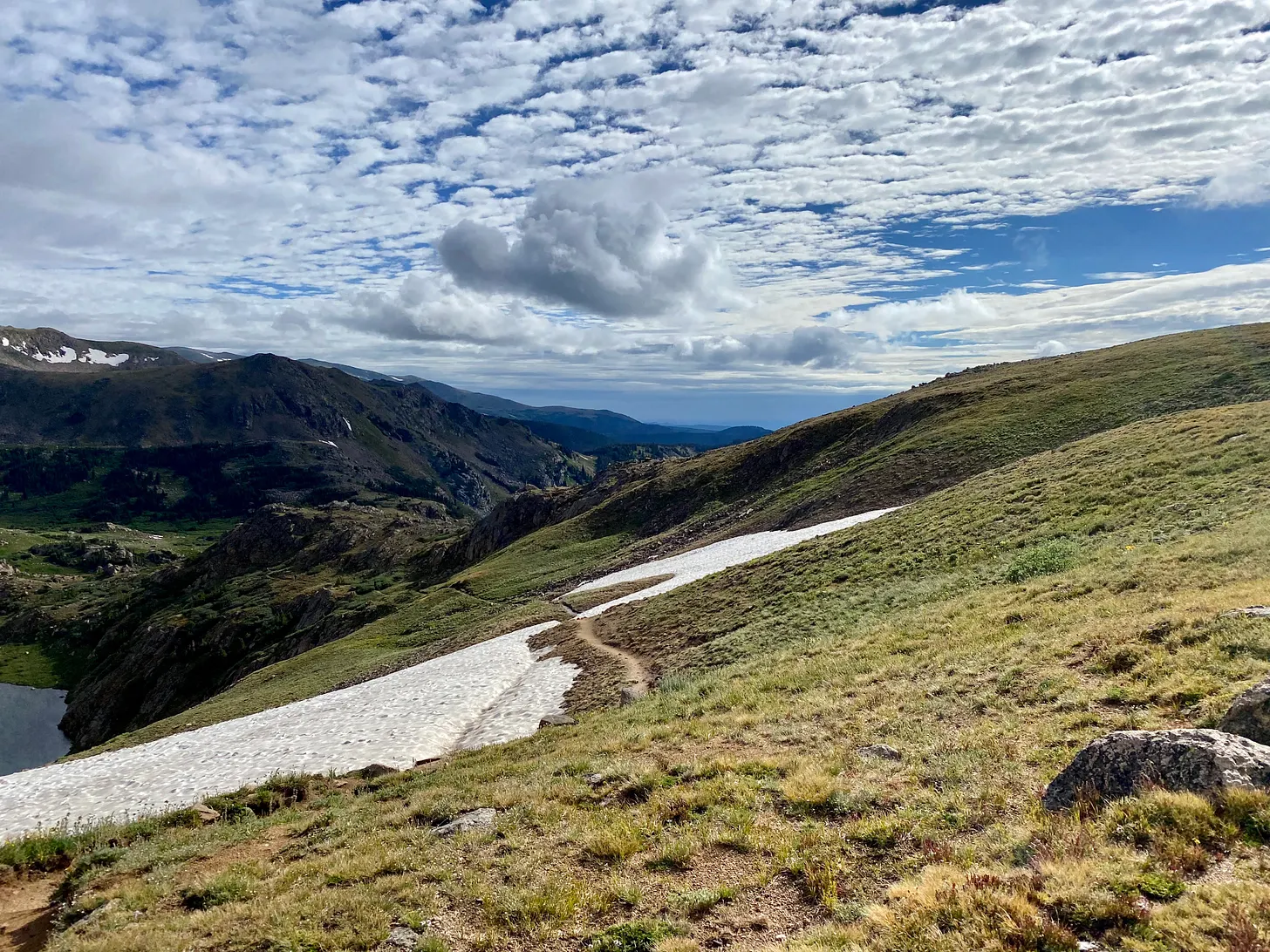
So how do we get back to it? If you are anything like me, you may be struggling to figure out where to start with play again in your later years. I play with my daughter every day but it is her play. What is my play? Here is a good resource from the National Institute of Play to help: a short quiz that can help you discover your style of play. Mine wasn’t surprising to me. I’m a mover and creator. Guess I’d better get back out to those long, challenging mountain runs this summer. In fact, I think I will take a day off from work this week to hit my favorite one, High Lonesome outside of Nederland, CO.
To close out, let’s try to invoke that internal joy play brings to get your mind craving more.
What is that song? You know the one. The one that takes you back to a moment in time, the one that makes you feel free, the one that makes you have to move and you don’t care who is watching, the one that makes you have to sing at the top of your lungs. What is that one song?
Mine is “I Will Survive”. When I was in my early teenage years, just my mom and I took a trip to the coast of Maine. My mom and I had a complicated relationship that was more frequently in tension than not, but it was not on this particular day. On this day we drove around with the windows down, blasting “I Will Survive” and belting along. And when the radio is loud enough while you are singing, it feels like you are Gloria Gaynor. Your voice is absolutely phenomenal. That day I was loved, I was free, I belonged, and I was one of the greatest singers that ever lived. Oh, the joy.
Resources:
Play: How it Shapes the Brain, Opens the Imagination, and Invigorates the Soul
National Institute of Play
Liked this one?
Join the newsletter for more, plus news from P Labs and small, realistic ways to come back to yourself.
No spam. Unsubscribe anytime.